




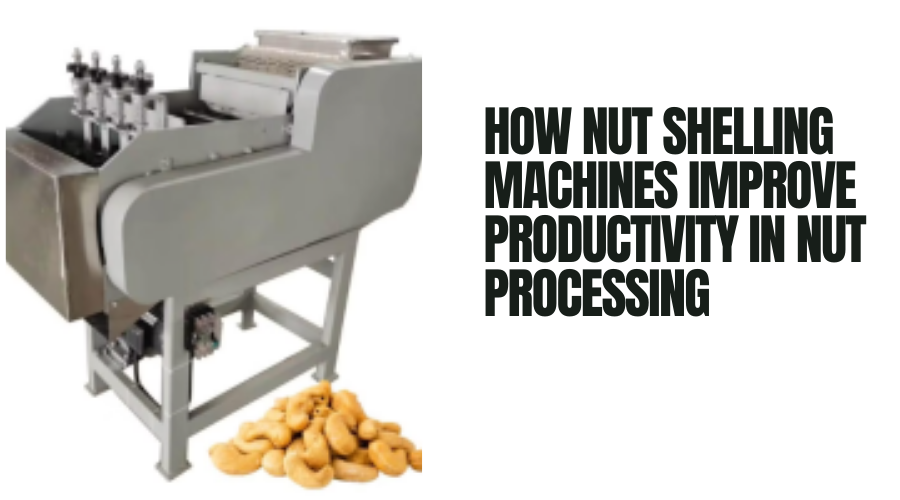
The invention of nut-shelling machines has transformed the processing of farm nuts from the farm to retail shelves. These machines take off tough shells from nuts in a fast and efficient manner. Manual shelling consumes time and is labor-intensive, and lacks consistency.
Automated shelling devices resolve such issues and significantly increase output. It is worth understanding how these machines can enhance productivity, so that nut-processing businesses invest effectively in equipment.
The process of shelling nuts by hand is sometimes a pain. An individual may also shell a few pounds of nuts in one hour, based on the type of nuts. Some nuts require different techniques and levels of effort.
People who perform repetitive shelling motions tend to experience fatigue and strain injuries. Physical needs complicate the process of locating and retaining employees. Shelling is also highly problematic for turnover and requires regular training.
Hundreds of pounds of nuts are shelled per hour. Even little machines process 50 to 100 pounds per hour. Massive models used in industry consume a few tons per day. It is 10 times more productive than manual methods.
The speed should be constant to enable proper production planning. Businesses can estimate processing capacity and commit to delivery schedules. Customer relationships are strengthened, and this predictability facilitates growth.
Variable results are obtained with manual shelling. Certain nuts crack well, whereas others give out pieces. Skilled labor and worker fatigue affect results throughout the day. This waste and loss of sellable product result from this inconsistency.
Machines use controlled force and are calibrated for specific nut types. The regular strain ruptures shells, but does not shatter kernels. Conscious cracking improves overall kernel recovery rates. The more intact the kernels, the higher the product value and profits.
Broken kernels are less expensive than whole nuts. Poor shelling methods result in excessive breakage, wasting potential revenue. Good machines reduce the breakage through economical engineering and variable setup.
Mixing shell pieces with kernels causes sorting issues. Pure separation of shells and kernels lowers the downstream processing time. This clean output streamlines operations and reduces labor requirements.
Different nuts require different cracking forces. The shells of almonds are harder than those of pecans. Walnuts vary from hazelnuts with respect to shell hardness and the fragility of the kernel. A quality shelling machine has adjustments for various types of nuts.
Switching the type of nuts will take minutes and require no additional equipment. This flexible feature enables processors to handle a variety of products. The changes in the seasonal variety do not involve significant equipment investments.
Single-nut processors specialize in a single nut type and operate specialized machines. Almond shellers have been optimized to increase almond yield. Walnut crackers deal with the special situations of walnut shells and kernel shapes.
Special machines may be even more efficient when applied to their intended nuts. They, however, compromise flexibility. Companies need to balance the benefits associated with specialization and the need to be versatile in the choice of equipment.
Machines will replace the numerous workers doing manual shelling. A single operator can oversee the work of ten hand shellers or so, each working on its own machine. Such labor reduction saves significant payroll costs without incurring employment or training costs.
Automated systems reduce workers' compensation injuries and claims. A healthy and safe environment reduces insurance premiums and enhances workplace morale. These are indirect savings in addition to direct labor cost savings.
Modern nut-shelling machines are electric-powered and use a reasonable amount of power. The shelled nuts are low in energy cost per pound. Energy costs also account for a smaller share of processing budgets than labor costs.
Efficient structures reduce wasted motion and unnecessary power consumption. Properly maintained machines work at full capacity for several years. The energy cost remains stable and under control.
Manual shelling requires the hands of each nut to be touched. This touch presents the risk of contamination despite handwashing and gloves. Direct human contact with products occurs only during the first feeding, after which machines eliminate it.
Nuts are enclosed in processing chambers that keep them away from contaminants in the air. The construction is made of stainless steel, which is easily cleaned and sanitized. Such hygienic benefits aid in fulfilling the standards and certifications of food safety.
The cleaning procedures are the same every time and use machines. Automatic cleanses ensure hygiene. Manual processes vary based on the worker's diligence and training.
Mechanical processing systems are preferred in the food safety audit. The Sanitation procedures will be upheld through documentation. Such compliance supports certifications and export approvals.
Manual functions struggle to scale quickly. Recruitment and employee development are time-consuming. The increase in production capacity is slow and manual. Machines permit high-capacity increments.
The increase in output from adding a second or third machine is disproportionate to the increase in labor. A single supervisor can monitor several machines. It is scalable to meet business expansion goals.
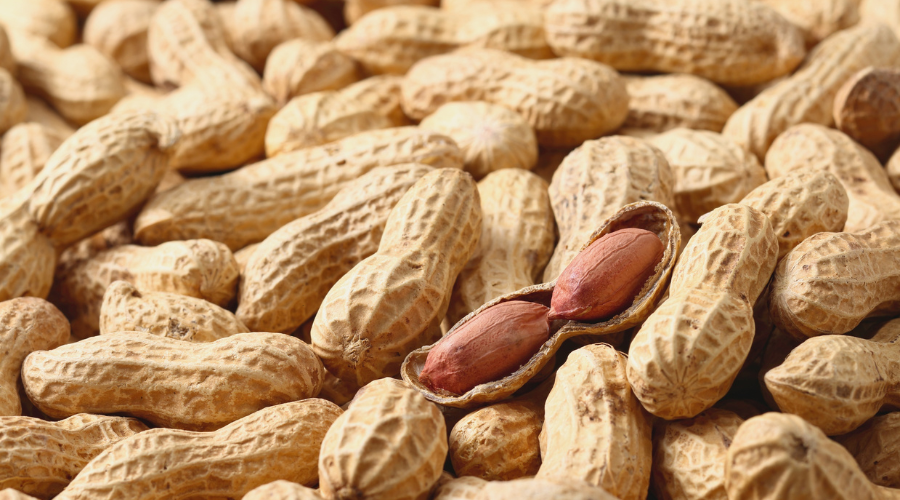
Nut Harvests generate seasonal processing requirements. Manual operations need to recruit temporary employees during the harvest season. These seasonal employees have to be trained and monitored.
Machines handle peak loads without requiring permanent personnel. Operating machinery for extra hours is in response to demand. This flexibility is cost-effective for managing seasonality.
Nut shelling machines are big investments. However, costs are recouped through labor savings within one to three years. Volume processors with high volume have shorter payback periods due to higher labor replacement costs.
Better product quality and reduced waste contribute to financial returns. Increased production of whole kernels augments revenue per pound of uncooked nuts. Such quality increases payback in faster investments.
Machines are value-creating outside the first payback period. Properly maintained equipment lasts more than a decade. This long-term service pays off too many times.
The second-hand equipment market enables smaller operations to acquire shelling machines at a lower cost. There are productivity gains of refurbished machines at a reduced entry cost. Such accessibility helps small businesses compete.
Nut shelling machines are operated in large processing units. Machines continuously feed off conveyor belts. The equipment is used to sort the shells and kernels downstream. Combined systems maximize the overall productivity.
Automated lines minimize handling in processing. After passing through shelling and sorting, nuts are then packaged with little human intervention. This integration adds the efficiency benefits of individual machines.
Nut shelling machines appreciably enhance production with the aid of increasing speed and consistency and reducing hard work. Although machines require prematurely prices, they provide true returns via labor financial savings, great development, and enterprise growth capability.
What types of nuts can shelling machines process?
Most machines handle almonds, walnuts, pecans, hazelnuts, and cashews with appropriate setting adjustments. Specialized machines are optimized for specific nuts, while versatile models process multiple varieties. Machine selection depends on the nut types your business processes regularly.
How much maintenance do nut shelling machines require?
Basic maintenance consists of daily cleaning and weekly lubrication, taking 15 to half-hour. Professional servicing every six to twelve months guarantees top-quality overall performance. Proper upkeep prevents breakdowns and extends system lifespan significantly beyond warranty periods.
Can small corporations find the money for nut shelling machines?
Entry-level machines start at around $3,000 for small-scale operations. Used and refurbished equipment costs less while providing good performance. The labor savings often justify the investment within two years, even for smaller processors.
Do shelling machines work with organic nuts?
Yes, machines process organic nuts without issues. Stainless steel construction and thorough cleaning protocols meet organic certification requirements. Many organic nut processors use automated shelling to maintain efficiency while meeting certification standards.
How do I choose the right shelling machine size?
Calculate your daily processing volume in pounds or kilograms. Choose machines rated for 20-30% above peak demand to avoid overloading equipment. Consider future growth plans when sizing to avoid outgrowing machines quickly.
The invention of nut-shelling machines has t
READ FULLIndustries rely on seasoning machines a lot, b
READ FULLFood production has been advancing rapidly, with new technologies making each production process
READ FULL